
Best Gynaecologist in Patna: When Should You Consult a Specialist?
A woman's health needs can change at different stages of life[cite: 7]. From the first menstrual period and reproductive years to pregnancy, postpartum recovery and menopause, gynaecological health is an important part of overall wellbeing[cite: 7]. Yet many women delay seeking help for symptoms such as irregular periods, pelvic pain, unusual bleeding or recurring infections[cite: 7].
If you are searching for the best gynaecologist in Patna, it helps to understand what a gynaecologist does, which symptoms need attention and what to consider when choosing a specialist[cite: 7]. A timely consultation can help identify the cause of a concern, discuss suitable investigations and plan care based on your individual health needs[cite: 7].
This guide explains when to consult a gynaecologist and how regular women's health check-ups can support long-term wellbeing[cite: 7].
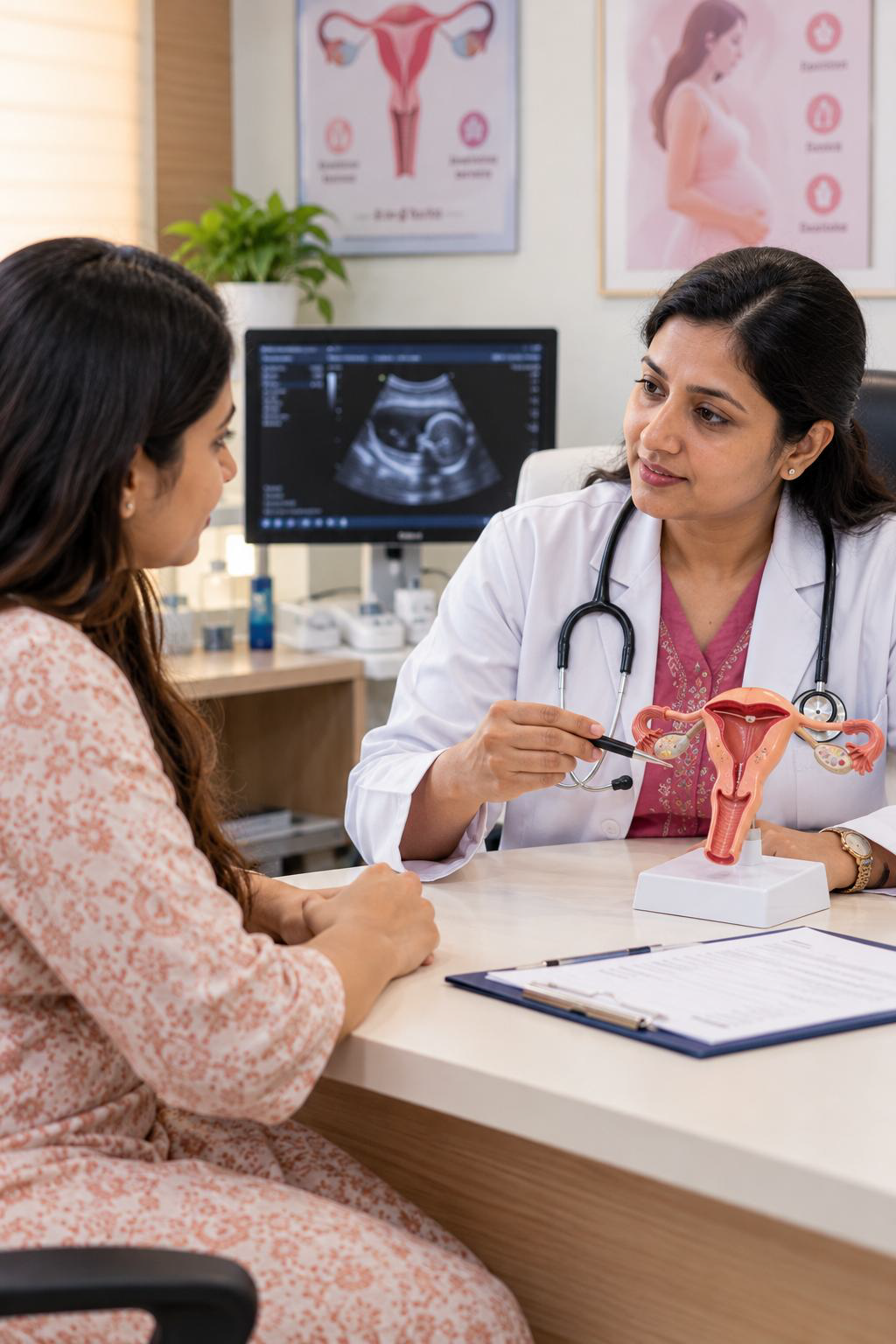
What Does a Gynaecologist Do?
A gynaecologist is a doctor who specialises in the health of the female reproductive system, including the uterus, ovaries, fallopian tubes, cervix and vagina[cite: 7]. Depending on their training and your needs, they may assess menstrual disorders, pelvic pain, PCOS, endometriosis, fibroids, infections, fertility concerns, contraception, menopause-related symptoms and pregnancy-related gynaecological concerns[cite: 7].
When Should You Visit a Gynaecologist?
Consider booking a consultation if you experience any of the following:
- Periods that are consistently irregular, unusually heavy or very painful[cite: 7]
- Bleeding between periods or bleeding after menopause[cite: 7]
- Persistent pain in the lower abdomen or pelvis[cite: 7]
- Unusual vaginal discharge, itching, irritation or recurring infections[cite: 7]
- Symptoms such as acne, excess facial hair or irregular periods that may be associated with PCOS or hormonal imbalance[cite: 7]
- Difficulty conceiving or questions about fertility[cite: 7]
- Pain during sexual activity[cite: 7]
- Menopause-related symptoms that affect daily life[cite: 7]
- Questions about contraception, family planning or pre-pregnancy health[cite: 7]
These symptoms can have different causes[cite: 7]. Avoid self-diagnosis or taking medication without medical advice[cite: 7]. A qualified doctor can help determine whether examination or tests are needed[cite: 7].
Common Women's Health Conditions a Gynaecologist Can Assess
1. Menstrual Problems
Changes in menstrual flow, cycle length or period pain can sometimes be related to hormonal changes or an underlying gynaecological condition[cite: 8]. Very heavy bleeding, persistent irregularity or severe pain should be discussed with a doctor, particularly when symptoms affect daily activities[cite: 8].
2. PCOS and Hormonal Imbalance
Polycystic Ovary Syndrome (PCOS) is a hormonal condition that can affect menstrual cycles, ovulation and metabolism[cite: 8]. Some people experience irregular periods, acne or increased facial and body hair[cite: 8]. Diagnosis requires clinical assessment and may involve medical history, examination, blood tests or ultrasound, depending on the individual case[cite: 8].
3. Fibroids and Endometriosis
Uterine fibroids are non-cancerous growths in or around the uterus[cite: 8]. Endometriosis is a condition in which tissue similar to the lining of the uterus grows outside it[cite: 8]. Both can be associated with pelvic pain, heavy periods or fertility difficulties, although symptoms vary[cite: 8]. A gynaecologist can assess symptoms and discuss appropriate management[cite: 8].
4. Vaginal and Urinary Symptoms
Discharge, itching, irritation, discomfort or recurring urinary symptoms may have several possible causes[cite: 8]. The correct treatment depends on identifying the cause, so repeated self-treatment is not recommended[cite: 8]. Seek medical advice if symptoms persist, recur or are accompanied by fever or pelvic pain[cite: 8].
5. Fertility and Pre-Pregnancy Concerns
If you are planning a pregnancy or have been trying to conceive without success, a gynaecologist or fertility specialist can review your reproductive health and advise whether further evaluation is appropriate[cite: 8]. Fertility assessment may involve both partners, depending on the circumstances[cite: 8].
Why Are Regular Gynaecological Check-ups Important?
Routine consultations provide an opportunity to discuss menstrual health, contraception, reproductive planning, symptoms and age-appropriate preventive care[cite: 8]. You do not need to wait until a problem becomes severe before seeking advice[cite: 8].
The timing and type of check-up depend on your age, medical history, symptoms and local clinical guidance[cite: 8]. Ask your doctor which screenings or examinations are appropriate for you; not every patient needs the same tests at every visit[cite: 8].
What Happens During a Gynaecology Consultation?
A consultation usually begins with a discussion about your symptoms, menstrual cycle, medical history, medications and any previous pregnancies or treatments[cite: 9]. The doctor may recommend a physical examination, blood tests, ultrasound or other investigations if relevant to your concern[cite: 9].
You can prepare by noting when symptoms began, how often they occur, the dates of your recent periods and any medicines you take[cite: 9]. Ask questions and discuss the purpose of any recommended examination or test[cite: 9].
How to Choose the Right Gynaecologist in Patna
- The doctor's recognised qualifications and relevant clinical experience[cite: 9]
- Whether the doctor regularly manages concerns similar to yours[cite: 9]
- Clear explanations of diagnosis, treatment choices, benefits and risks[cite: 9]
- Access to relevant diagnostic services when required[cite: 9]
- Respectful communication, privacy and patient comfort[cite: 9]
- Follow-up arrangements and how to contact the clinic with concerns[cite: 9]
- Location, appointment availability and accessibility[cite: 9]
The right specialist is someone who can assess your needs carefully, explain your options and involve you in decisions about your care[cite: 9].
Gynaecology Care at Jyoti Punj Hospital, Patna
Women's health requires attention, understanding and the right medical guidance at every stage of life[cite: 9]. From menstrual health and hormonal changes to reproductive health, pregnancy-related concerns and menopause, timely consultation with a qualified gynaecologist can help identify concerns and guide appropriate care[cite: 9].
Jyoti Punj Hospital, Patna, is a Women & Children Specialty Hospital offering healthcare services focused on women's health, maternity care, pregnancy management, fetal medicine and child healthcare[cite: 9, 10].
Women can enquire about consultation and guidance for a range of gynaecological and reproductive health concerns, including:
- Menstrual Disorders: Evaluation of irregular periods, painful menstruation, excessive bleeding and other menstrual concerns[cite: 10].
- PCOS & Hormonal Imbalance: Assessment and guidance for polycystic ovary syndrome, hormonal irregularities and related symptoms[cite: 10].
- Uterine & Ovarian Conditions: Evaluation of concerns such as uterine fibroids, ovarian cysts and other reproductive health conditions[cite: 10].
- Reproductive & Fertility Health: Guidance for women planning pregnancy or experiencing difficulty conceiving[cite: 10].
- Pregnancy-Related Care: Medical supervision and guidance during pregnancy, including assessment of high-risk pregnancy concerns[cite: 10].
- Fetal Medicine: Specialised pregnancy assessment and monitoring when additional evaluation of fetal development is needed[cite: 10].
- Menopause & Women's Wellness: Medical guidance for health concerns and hormonal changes associated with menopause[cite: 10].
Personalised Medical Attention for Every Woman
Every woman has different healthcare needs[cite: 10]. A consultation should begin with understanding individual symptoms, medical history and concerns before appropriate investigations or treatment are recommended[cite: 10].
Whether you are experiencing menstrual irregularities, pelvic discomfort, hormonal changes or planning a pregnancy, timely medical advice can help you make informed decisions about your health[cite: 10].
Book Your Gynaecology Consultation at Jyoti Punj Hospital
Do not ignore persistent menstrual problems, pelvic pain or other changes in your reproductive health[cite: 10]. If you are looking for gynaecology care in Patna, contact Jyoti Punj Hospital to enquire about consultations and appointment availability[cite: 10].
Phone: 0612-2540752 | 7544033999 | 9939626999[cite: 10]
When Should You Seek Urgent Medical Attention?
Do not wait for a routine appointment if you experience severe or sudden pelvic or abdominal pain, very heavy bleeding, fainting, high fever with pelvic pain, or bleeding during pregnancy[cite: 10]. Seek urgent medical assessment[cite: 10]. If you may be pregnant and have pain or bleeding, contact a healthcare professional promptly[cite: 10].
Frequently Asked Questions
When should I first visit a gynaecologist?
You can consult a gynaecologist when you have questions about periods, puberty, contraception, reproductive health or symptoms[cite: 11]. Seek advice sooner if you have pain, unusual bleeding or other concerns[cite: 11].
Is it normal to have irregular periods?
Occasional variation can happen, but persistent irregularity, very heavy bleeding or severe pain should be discussed with a healthcare professional[cite: 11].
Can PCOS be completely cured?
PCOS is a long-term hormonal condition, but symptoms can often be managed with an individualised plan that may include lifestyle measures and medication when appropriate[cite: 11].
Can a gynaecologist help with infertility?
A gynaecologist can begin an assessment and may refer you to a fertility specialist when needed[cite: 11]. Evaluation may involve both partners[cite: 11].
Do I need a gynaecologist during pregnancy?
An obstetrician or a doctor qualified in pregnancy care monitors maternal and fetal health during pregnancy[cite: 11]. Your care team can guide you on the appropriate specialist[cite: 11].
What tests are done during a gynaecology consultation?
Tests depend on your symptoms and medical history[cite: 11]. A doctor may recommend blood tests, ultrasound, cervical screening or other investigations only when appropriate[cite: 11].